Our Services
Psychosis is a severe mental health condition where you lose touch with reality. Schizophrenia is a common psychotic disorder. You or a loved one may hear voices, see things that aren’t there, or hold false beliefs (delusions) such as extreme paranoia. Thinking can become disorganized: you might notice confused speech or sudden shifts between topics. Emotions may become flat, and social withdrawal is typical. According to a Pakistani review, schizophrenia’s symptoms include hallucinations, delusions, disordered thinking, flat affect and social isolation. It is a chronic condition that often begins in late teens or early adulthood.
Worldwide about 1% of people are affected by schizophrenia or psychosis. In Pakistan, experts note an increasing number of cases, though exact figures are unknown. What is clear is the impact: schizophrenia is among the “top ten causes of disability” globally. Families often struggle with emotional and financial burdens. In urban Pakistan, rapid lifestyle changes and stress might contribute to rising cases. Despite these challenges, effective treatments exist.
Common psychotic symptoms include:
About US
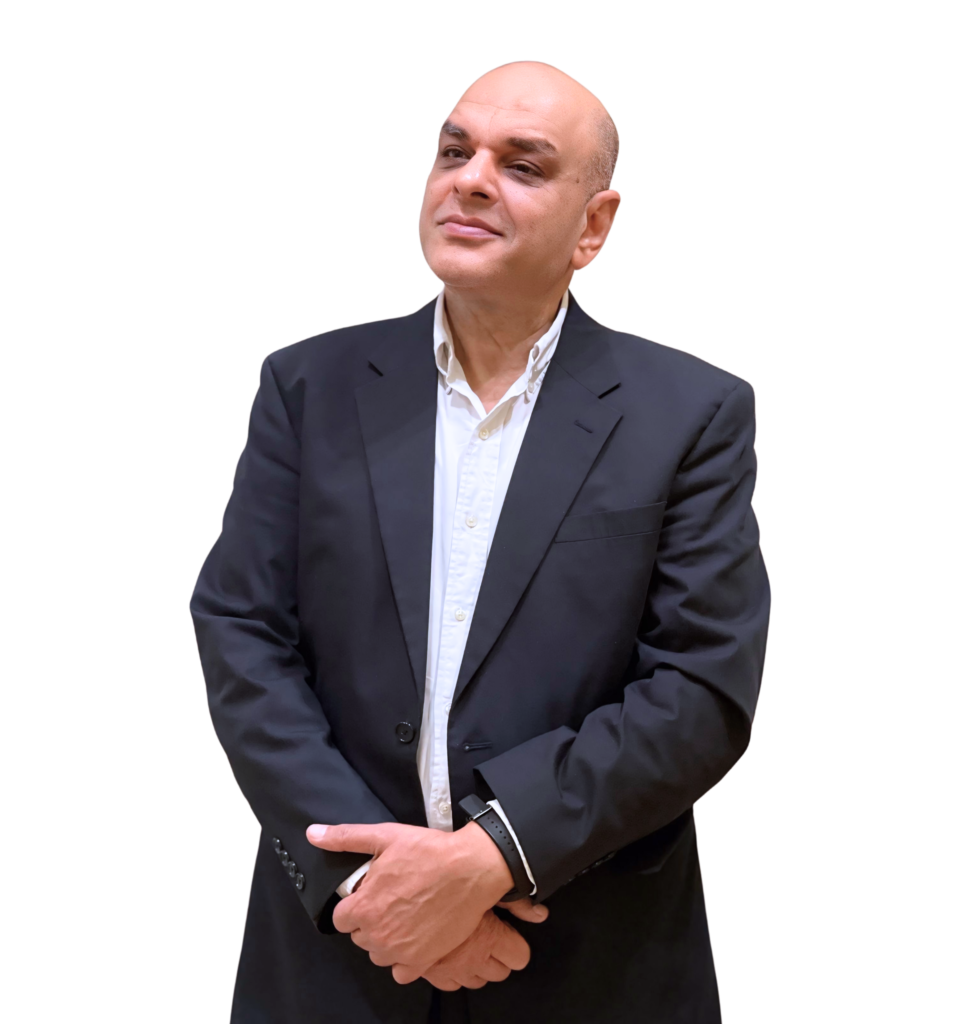
Dr. Aftab treats psychosis with sensitivity and expertise. He understands the fear and confusion that psychosis can bring, both for patients and their families. His approach includes:
Comprehensive Assessment: He uses standardized scales and interviews to assess symptoms and monitor progress. Cultural factors (like local beliefs) are also considered sensitively.
Patient and Family Education: He clearly explains the diagnosis, treatment options, and realistic expectations. He educates families about schizophrenia so they can provide a supportive home environment. He emphasizes that psychosis is a medical condition, not a character flaw.
Collaborative Care: He often works with psychologists, social workers, and occupational therapists. If needed, he refers to community rehab for skills training. For example, Dr. Aftab may recommend cognitive remediation exercises to improve memory and attention.
Continuity of Care: Because schizophrenia often requires long-term treatment, he ensures follow-up. He arranges appointments for medication refills and checks on adherence (the biggest risk to recovery is stopping meds).
FAQs
Schizophrenia and similar psychotic disorders are considered chronic illnesses, so a “cure” isn’t guaranteed. However, treatment can effectively control symptoms. With medication and support, many people with schizophrenia go on to lead fulfilling lives. Early intervention improves long-term outcome. Think of it as managing diabetes: with the right care, symptoms become minimal.
Yes, there can be side effects (like drowsiness, weight gain, movement symptoms). Dr. Aftab carefully chooses medications and dosages to minimize these. He monitors you closely. Often, side effects lessen after the first few weeks. There are many antipsychotic options, so if one causes problems, he can try another. Never stop medication without talking to your doctor; sudden stopping often causes relapse.
For ongoing management, absolutely. Many follow-ups (reviewing symptoms, adjusting medication) can be done via secure video calls. This is especially helpful if you live in a smaller city or cannot travel. While acute episodes may require in-person care, routine care via telepsychiatry has proven effective. Dr. Aftab offers both options.
Individual results vary, but many patients stabilize and improve significantly. Remission (minimal symptoms) is possible, especially with early treatment. Continuous therapy can improve social and vocational functioning over time. Even if some symptoms remain, people can learn to cope well. The goal is always to increase independence and life satisfaction.
First, stay calm and ensure safety. Do not argue about hallucinations; instead, gently reassure the person. Seek immediate psychiatric help (Dr. Aftab can often arrange urgent consultations). Hospitalization for stabilization is sometimes needed. After the crisis, continue regular follow-up to maintain treatment. Family support is critical attending therapy sessions together can help the patient adhere to treatment and reduce relapse risk.
Get Started
Scheduling an appointment with Dr. Naeem Aftab is easy and confidential. Use the contact information below or our online portal (calendar integration coming soon) to secure a session.