Substance Use Disorders

Our Services

Substance Use Disorders (Addiction) Treatment and Recovery

Substance use disorders (SUDs) involve a harmful pattern of using drugs or alcohol. In Pakistan, common issues include dependence on alcohol, opioids (like codeine, tramadol or heroin), and inhalants. SUD is a complex mental health condition it’s not a moral failing. According to experts, SUD “affects your health and well-being”, and can range from mild abuse to severe addiction. People develop SUD when the brain’s reward system is hijacked by a substance, creating intense cravings. Over time, tolerance (needing more to feel the same effect) and withdrawal symptoms (like tremors, nausea or anxiety when stopping) emerge.

If left unaddressed, addiction can devastate physical health, relationships, jobs and finances. But recovery is possible with the right support.

Symptoms of Addiction

Key signs that substance use has become a disorder include:

About US

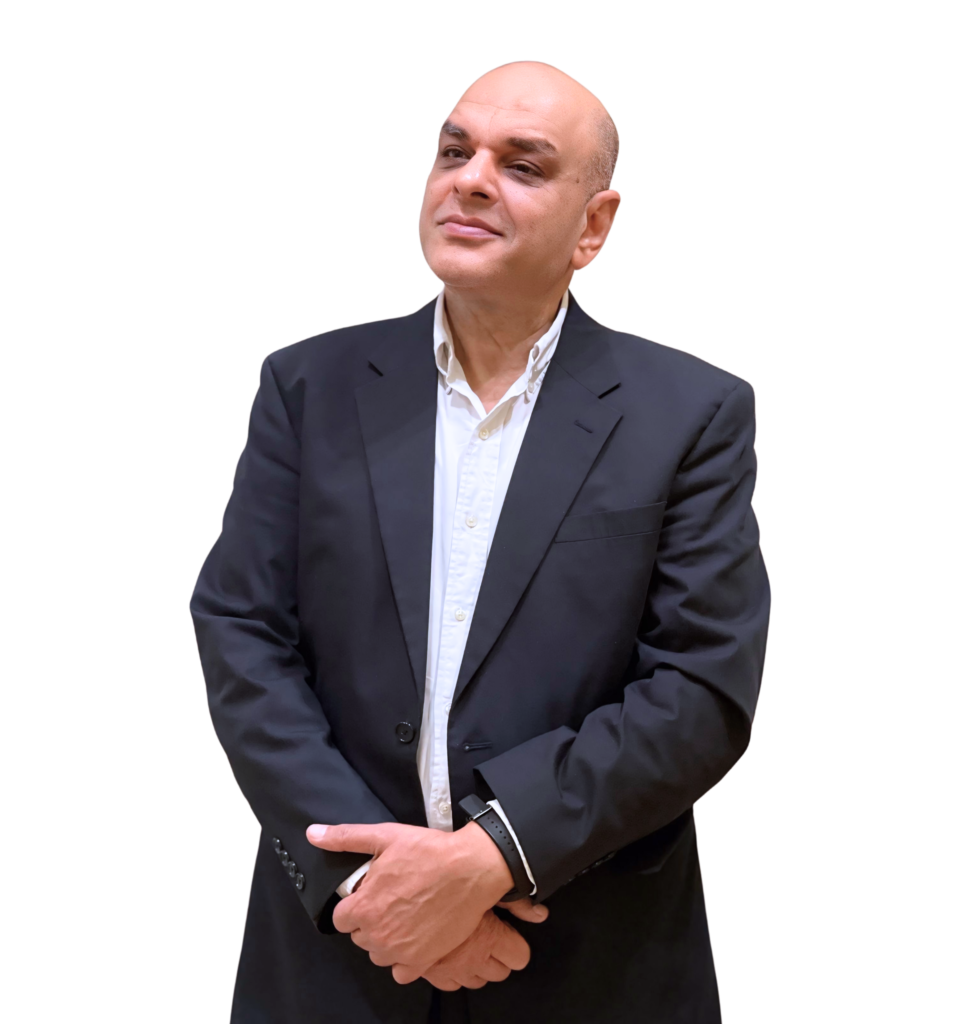
Dr. Naeem Aftab’s Approach

Dr. Aftab treats addiction with a balanced, understanding approach:

Nonjudgmental Support:He creates a safe space to discuss addiction openly. He understands that many have stigma and guilt; he gently assures you that addiction is a treatable condition.

Integrated Treatment:When prescribing medications like methadone or naltrexone, he explains how they work and monitors use closely. He combines these with therapy to address root causes of addiction, not just symptoms.

Customized Care:Every patient is different. For example, some may have better outcomes with inpatient rehab plus outpatient therapy, while others do well with intensive outpatient programs. Dr. Aftab helps devise the best plan for you.

Family and Social Support:He often includes family in sessions if appropriate, and helps arrange social supports (like sponsors or group memberships).

FAQs

Frequently Asked Questions

Treatment length varies. Detox can take days to a week or more, depending on the drug. After that, intensive therapy programs may last 1-3 months, followed by long-term outpatient care. Many people stay in some form of treatment for a year or more. Dr. Aftab emphasizes that recovery is a process, not an overnight fix.

Yes. Addiction is chronic, like diabetes. About half of people relapse at some point. The key is not to get discouraged relapse means you need to recommit to the plan or try something new. In fact, relapse is why we plan for long-term follow-up (see [56†L343-L352]).

Yes. There are local chapters of Alcoholics Anonymous and Narcotics Anonymous in major cities, including Lahore and Karachi. Dr. Aftab can connect you with these groups. They offer free support 12-step meetings, often with Urdu-speaking members, which can greatly help recovery.

For opioid addiction, medications like methadone and buprenorphine are very effective in preventing withdrawal and reducing cravings. Studies show they significantly increase the chances of staying clean. These are provided under strict supervision to prevent abuse. Dr. Aftab prescribes and monitors them carefully, often as part of an overall plan.

Yes, we offer online sessions for counseling and follow-up medication management. For medical detox and initial diagnosis, an in-person visit is preferable. But for ongoing therapy and support, telepsychiatry works well and has helped many Pakistani patients get care they otherwise would skip.

Get Started

Appointment & Contact

Scheduling an appointment with Dr. Naeem Aftab is easy and confidential. Use the contact information below or our online portal (calendar integration coming soon) to secure a session. 

dr e1742525997327