Insomnia & Sleep Disorders

Our Services

Insomnia & Sleep Disorders Improving Your Rest

Sleep problems are very common. Many people in Lahore and other cities struggle to get a good night’s rest. Insomnia defined as persistent difficulty falling or staying asleep affects about 10% of adults worldwide. In Pakistan’s hot climate and busy life, factors like irregular schedules, stress, or noisy environments can worsen sleep. Chronic insomnia leads to fatigue, irritability, poor concentration and even worsened anxiety or depression. If you find yourself lying awake at night for hours, or constantly waking up tired, you may have a sleep disorder. Let’s focus on insomnia, the most common. It can look like:

Trouble falling asleep: You lie in bed for a long time before sleep comes (initial insomnia).
Waking at night: You wake up during the night and struggle to fall back asleep (maintenance insomnia).
Waking too early: You wake up much earlier than planned and can’t return to sleep (terminal insomnia).

About US

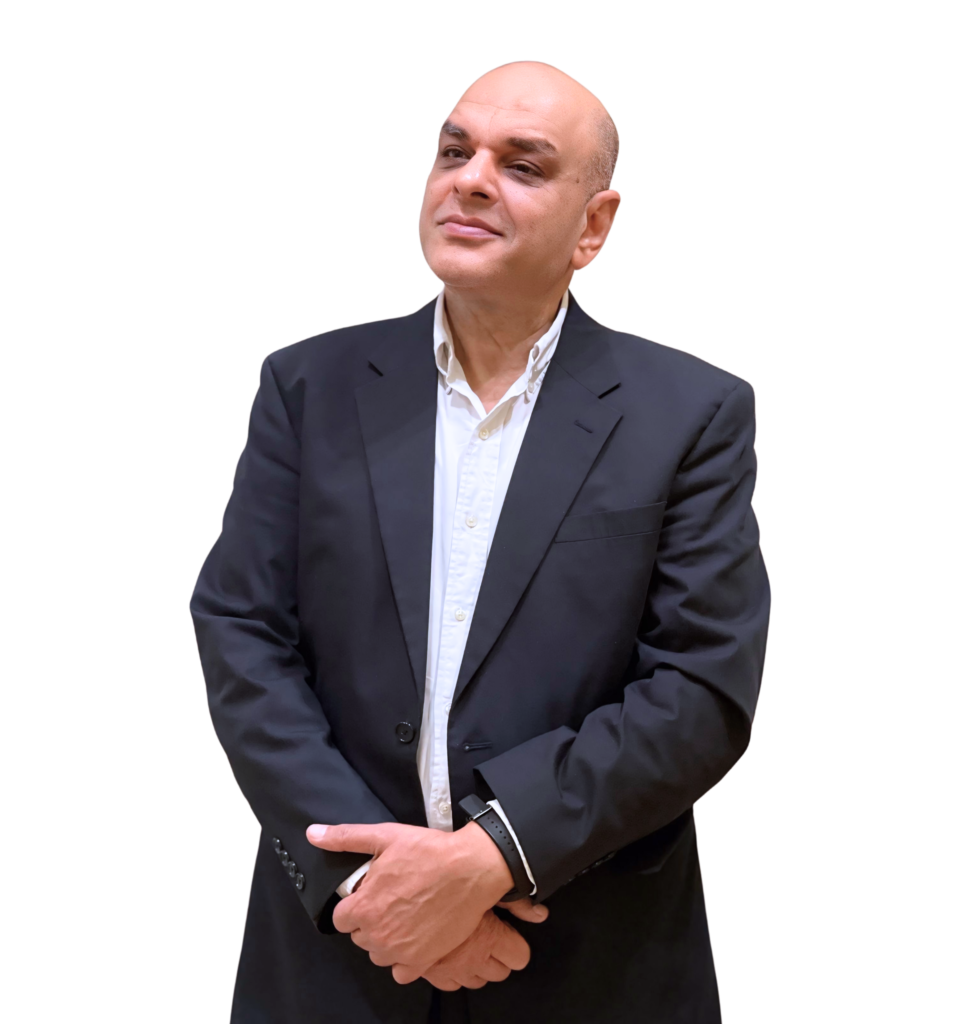
Dr. Naeem Aftab’s Approach

Dr. Aftab combines medical knowledge with practical guidance:

Thorough Evaluation:He will discuss your sleep history, any medications, caffeine intake, and stressors. He may keep a sleep diary with you for a week.

Practical Solutions:He focuses first on non-drug solutions (sleep hygiene, CBT techniques) to minimize medication use. He often teaches relaxation breathing techniques to do at night.

Patient Education:Many patients feel frustrated (“I just can’t sleep!”). Dr. Aftab explains the science of sleep and why forcing sleep can backfire. Understanding your sleep drives compliance with changes.

Follow-Up:He schedules follow-up to check progress. If initial changes don’t work, he adjusts the strategy. He also watches for mood or anxiety issues that may emerge and treats them concurrently.

FAQs

Frequently Asked Questions

Short-term, some sleeping medications can be helpful. But they often cause morning grogginess or dependency if used long-term. Dr. Aftab prefers to use them only briefly. The best “cure” is learning to sleep without pills.

You might feel minor improvements within a week of good sleep habits or a few weeks of CBT-I. Full benefits of CBT-I usually take 6-8 weeks of therapy. Consistency with the plan is key

In insomnia, this can make things worse. CBT-I teaches something called “sleep restriction,” which may seem counterintuitive: by initially spending slightly less time in bed than usual, your body increases the drive to sleep. Over time, you spend more time asleep in bed. Dr. Aftab will guide you through this carefully.

First, don’t clock-watch. If you can’t sleep after about 20-30 minutes, get up and do something calming (read or listen to quiet music) until you feel sleepy again, then return to bed. Avoid checking your phone or bright lights.

Shift work makes sleep harder, but it can be managed. Dr. Aftab can advise on strategies (like blackout curtains for day sleep, or using melatonin supplements) tailored to your schedule.

Get Started

Appointment & Contact

Scheduling an appointment with Dr. Naeem Aftab is easy and confidential. Use the contact information below or our online portal (calendar integration coming soon) to secure a session. 

dr e1742525997327